
Honoring the art of timelessness: 35mm film as an addition to your day
I figured there is no better way to come back with a bang than to talk about 35mm film and adding it to your wedding day. As of 2024, I began bringing my film camera + a reel of film to let myself fall in love with the art of photography again. As a photographer that is constantly looking to improve their work, it can be hard to find time to fall in love with what you built your business on in the first place.
Thanks to local camera stores (Pro Camera Inc in Charlottesville, VA and District Camera in Arlington, VA), I felt like a kid again. I learned on a film camera, and after all this time, it feels so amazing to strengthen my skills through such a timeless medium.
SO ENOUGH ABOUT ME - LET’S TALK ABOUT FILM AND WHY YOU WOULD WANT IT AT YOUR DAY.
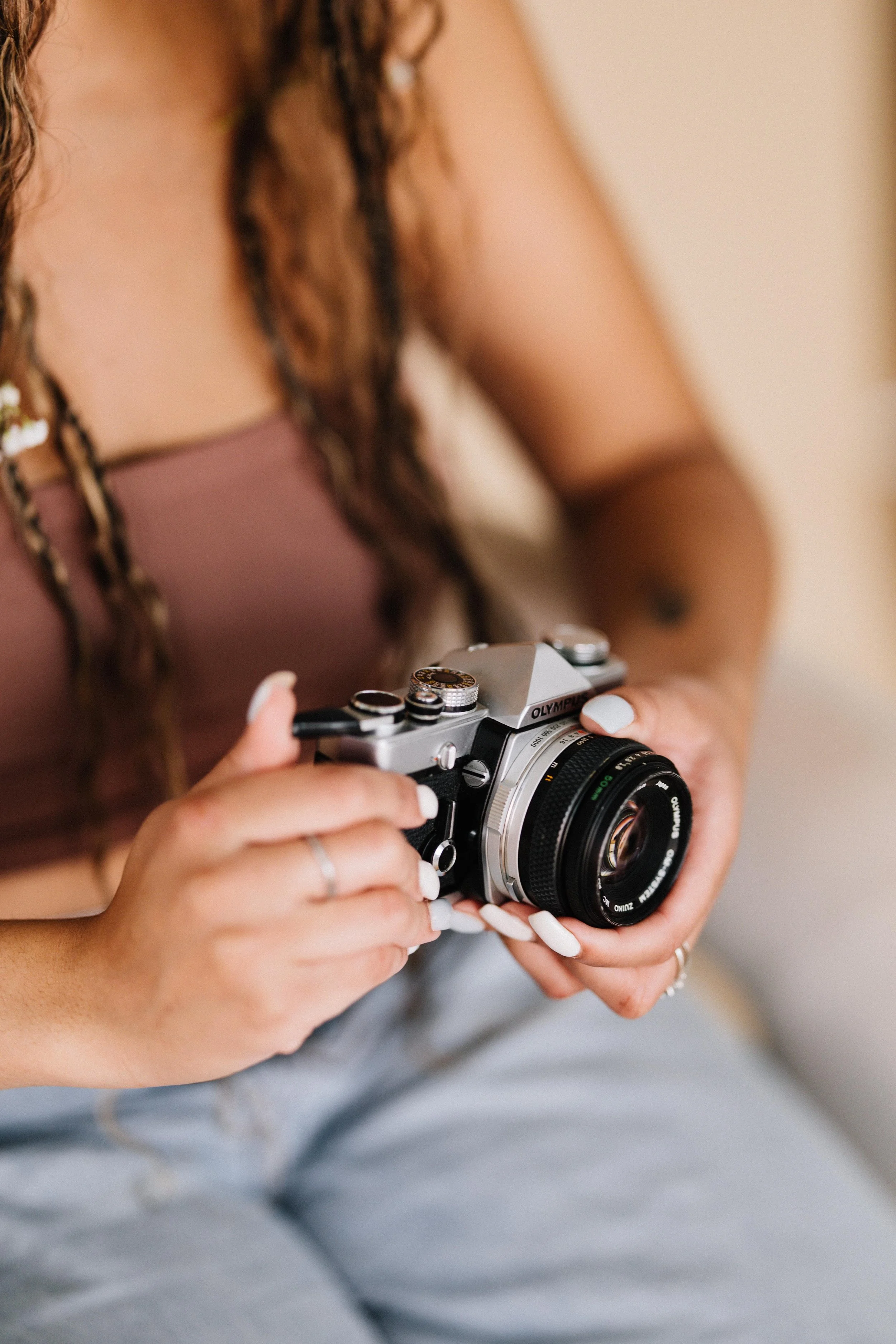
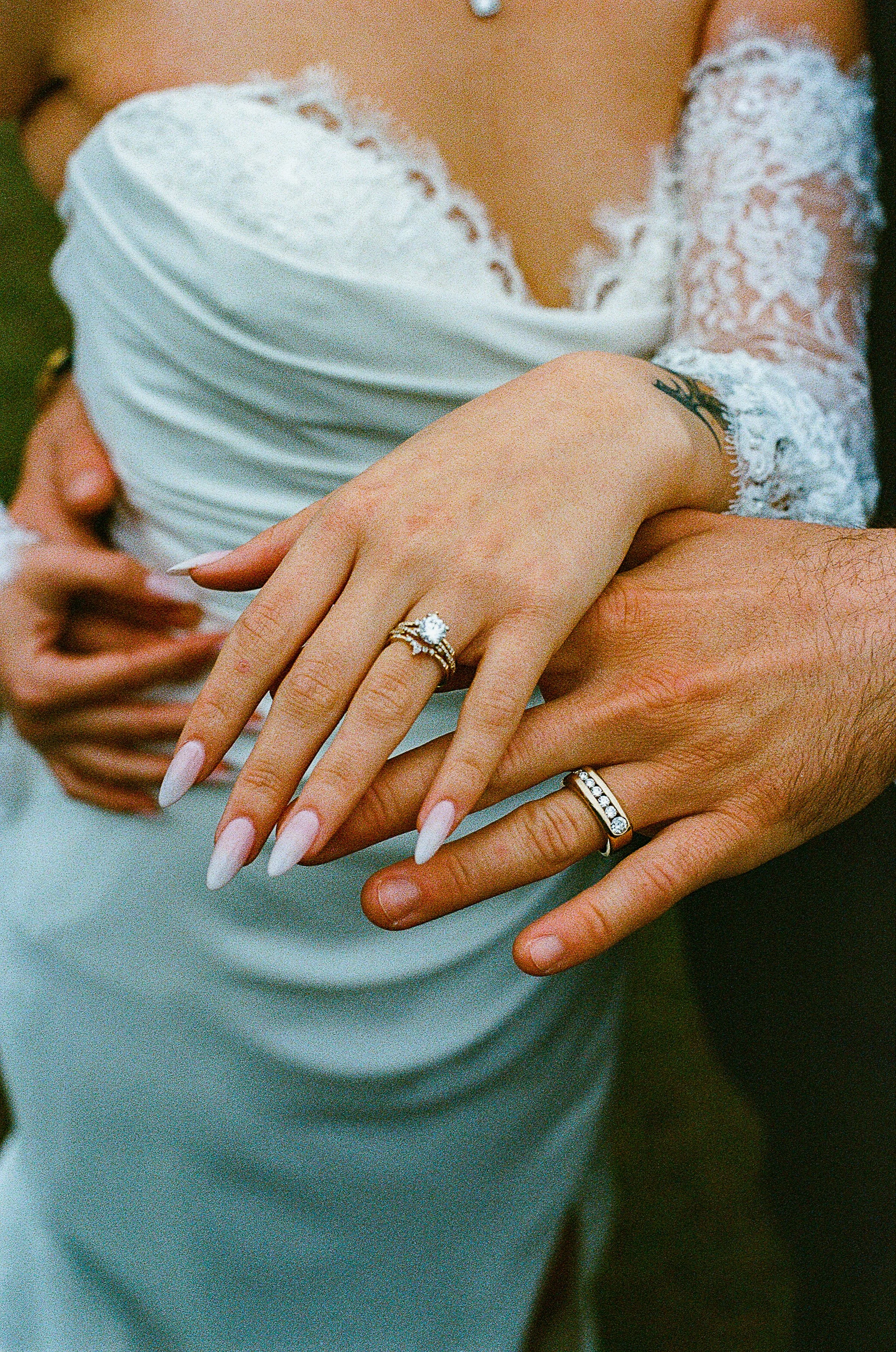
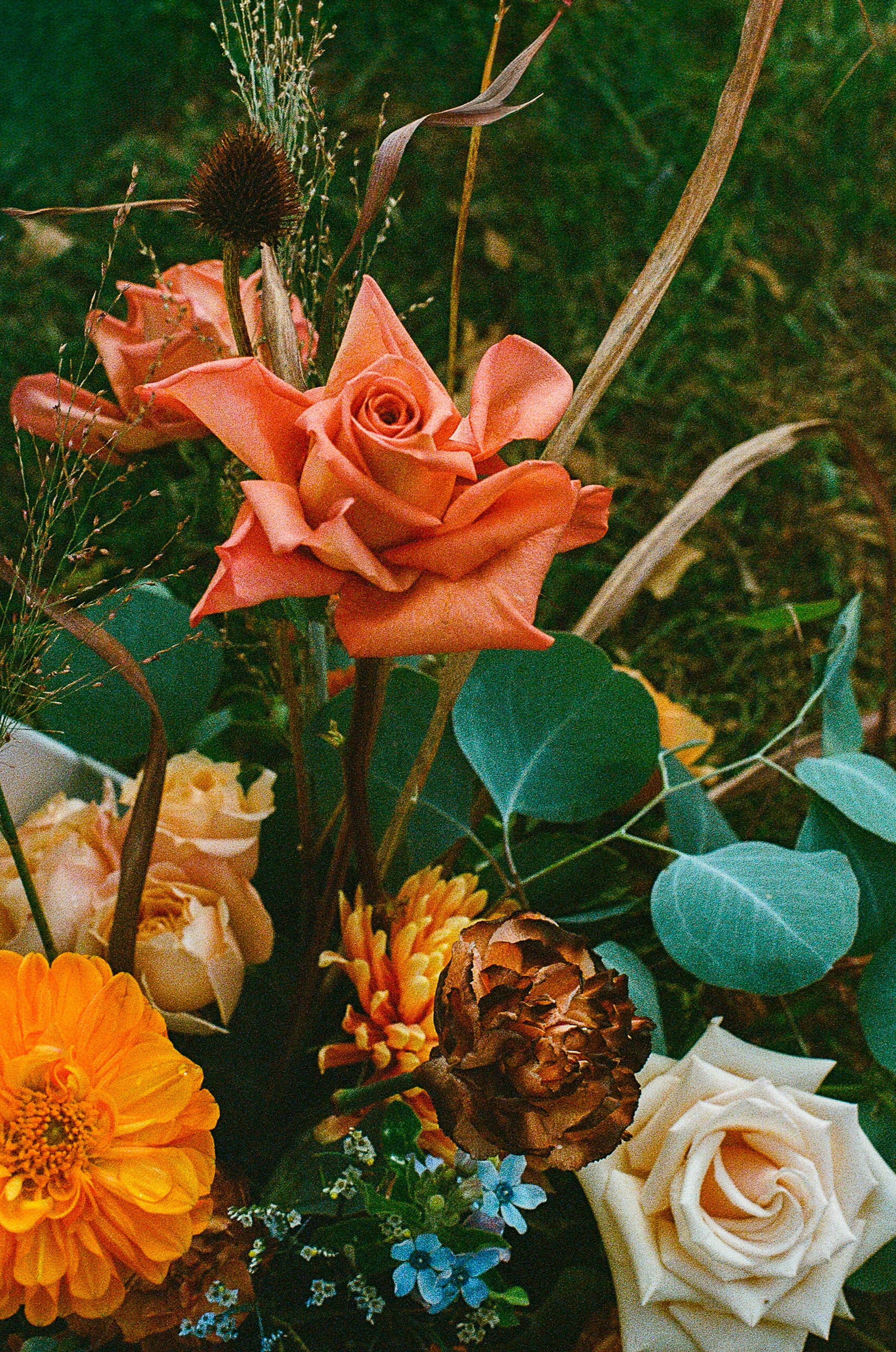
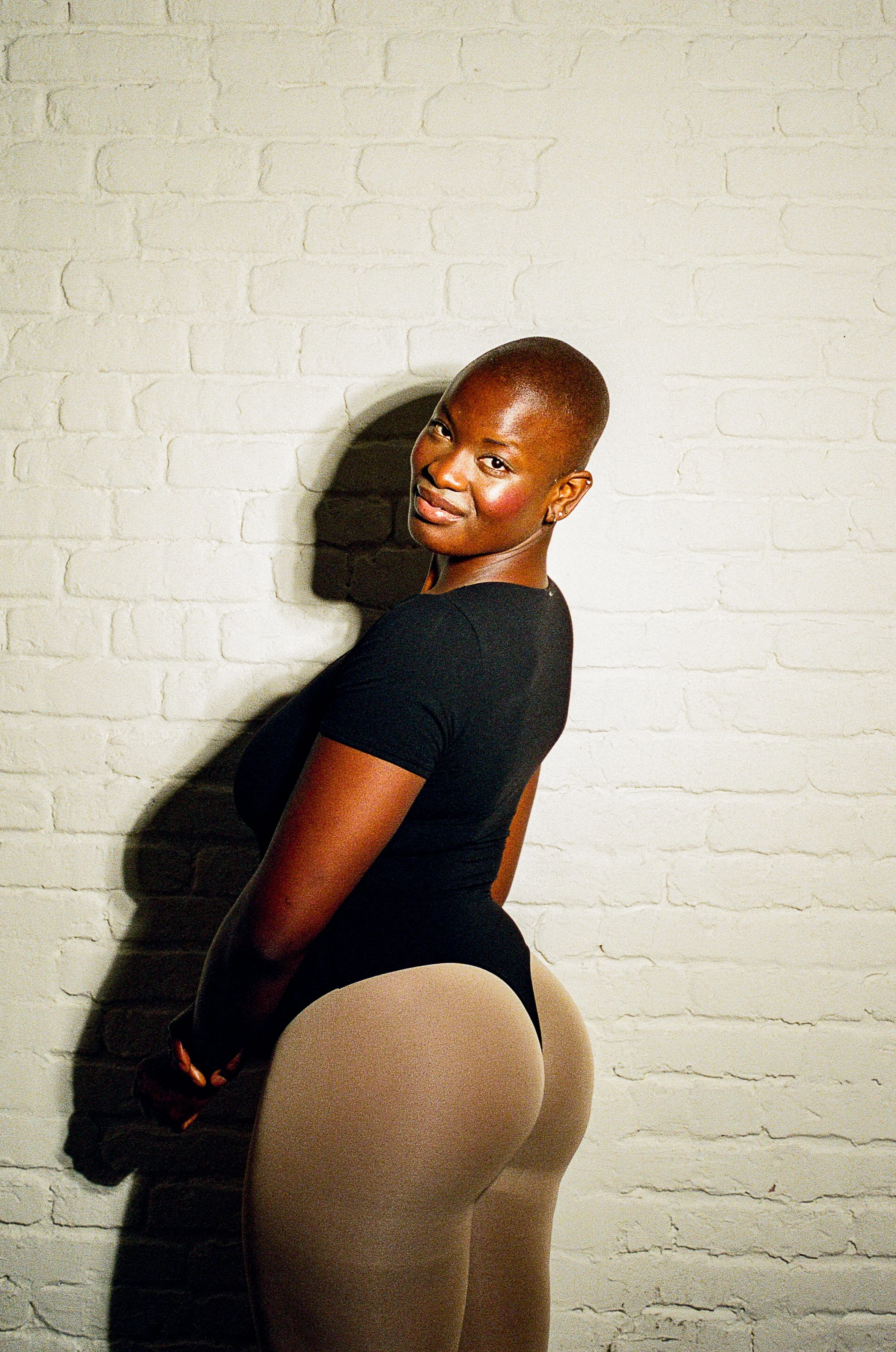
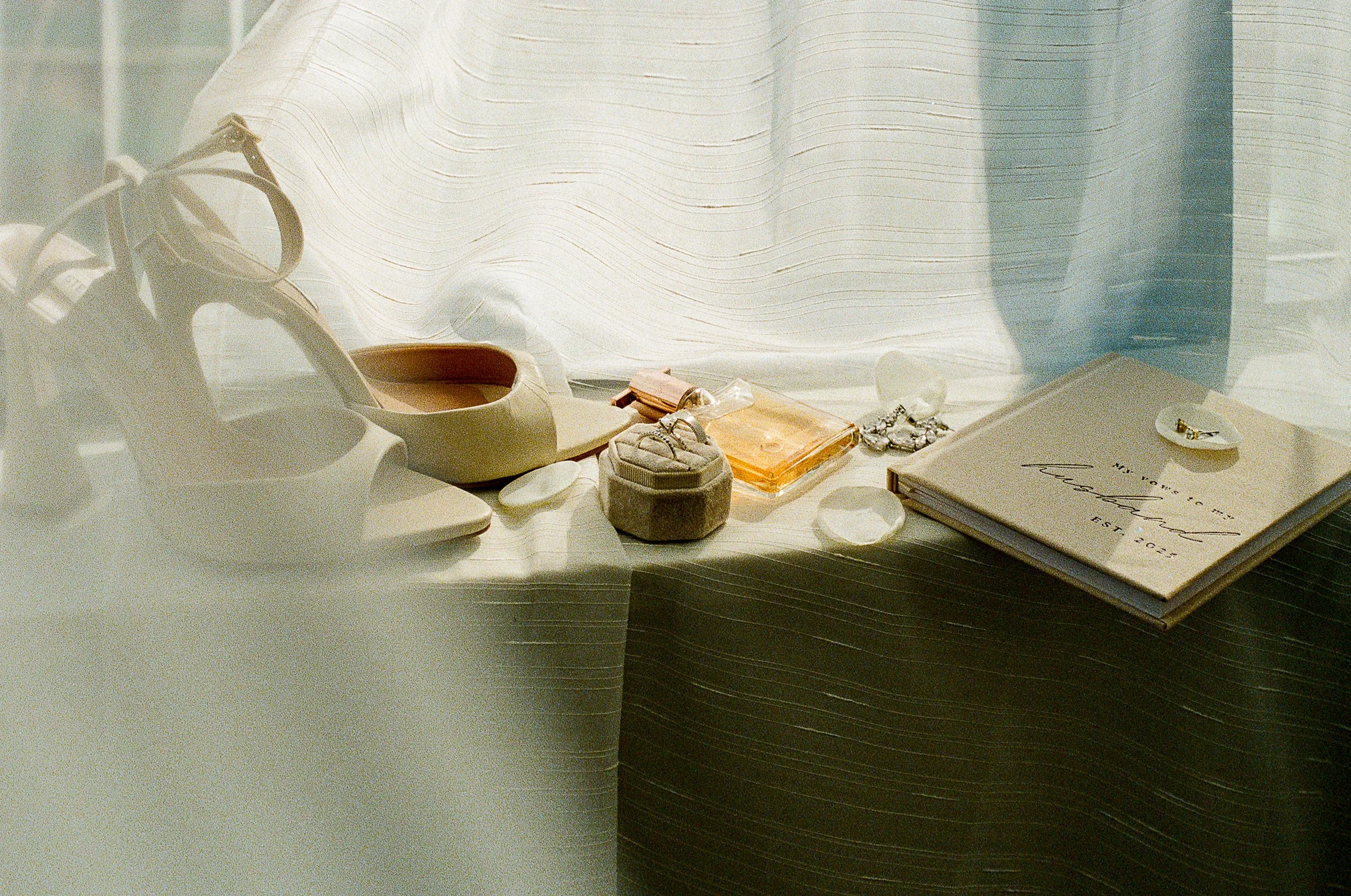
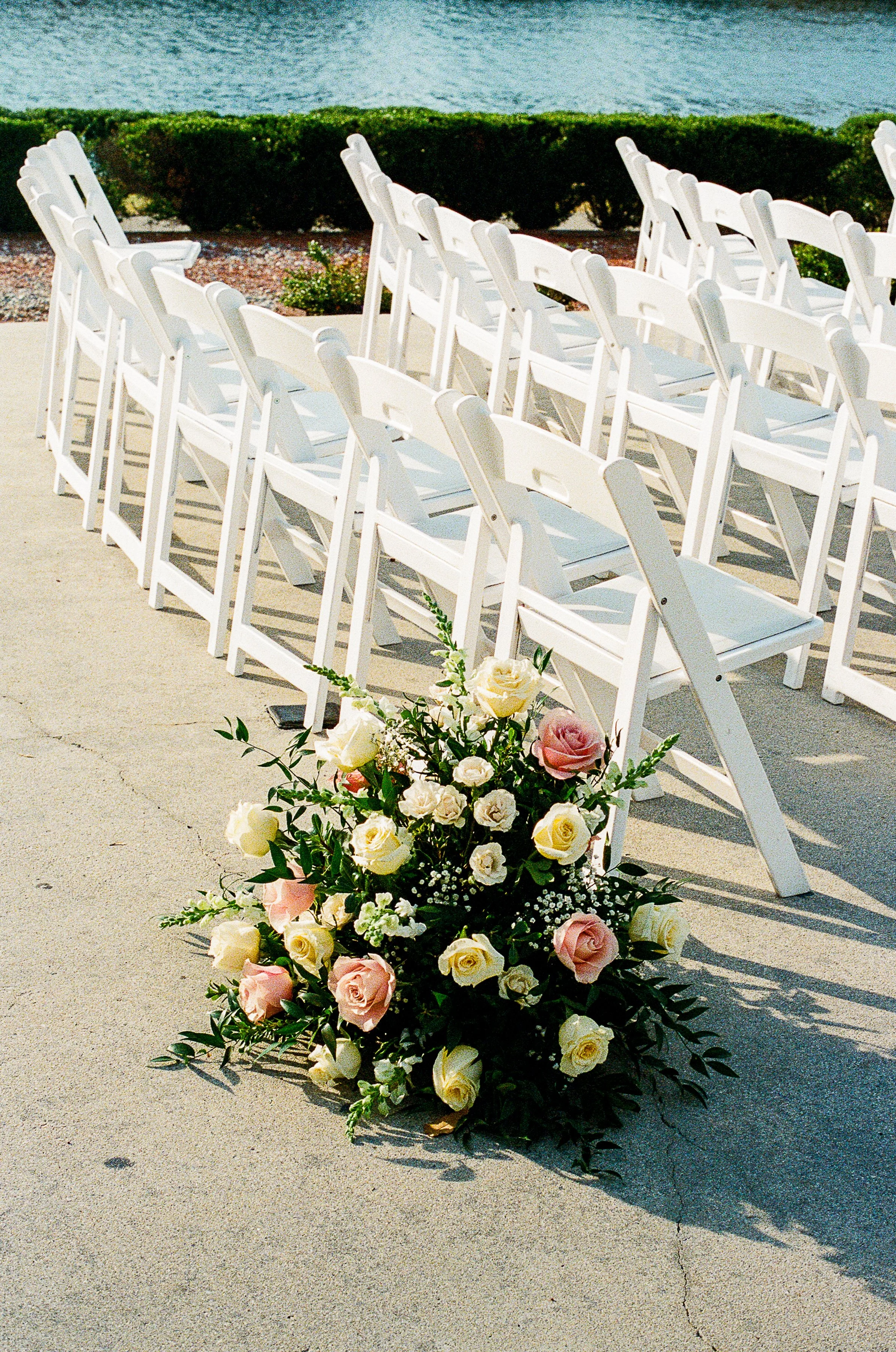
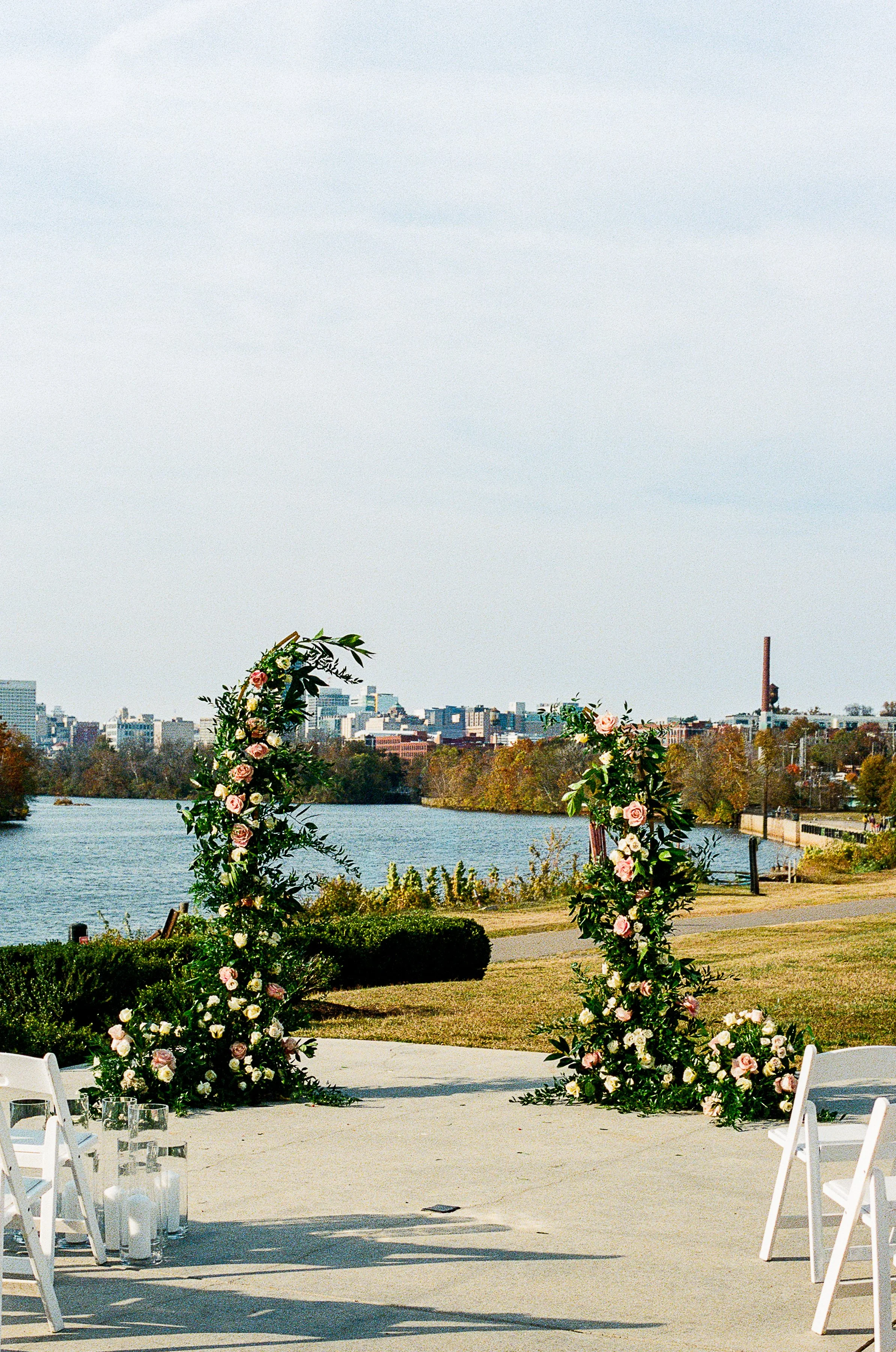
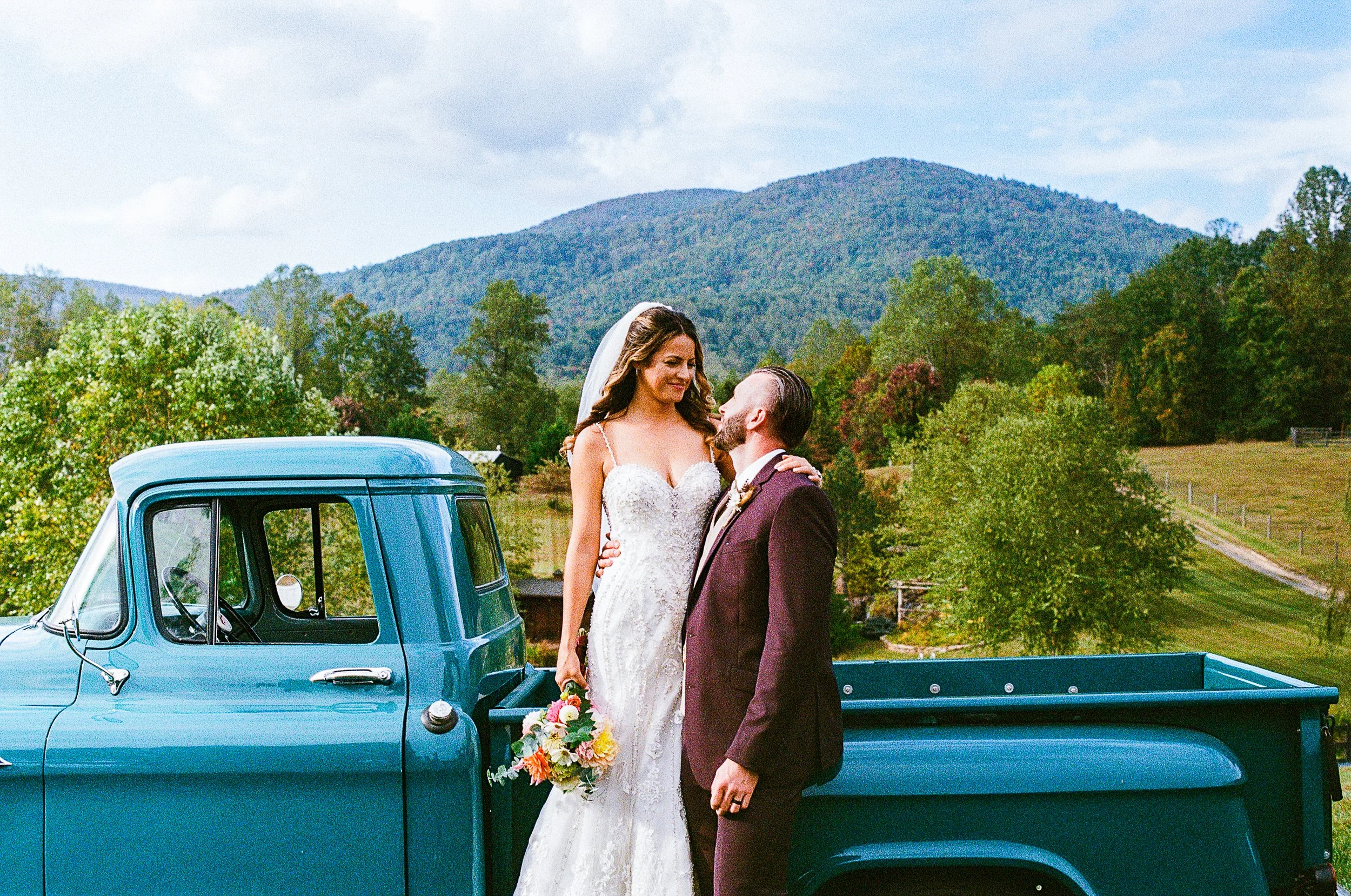
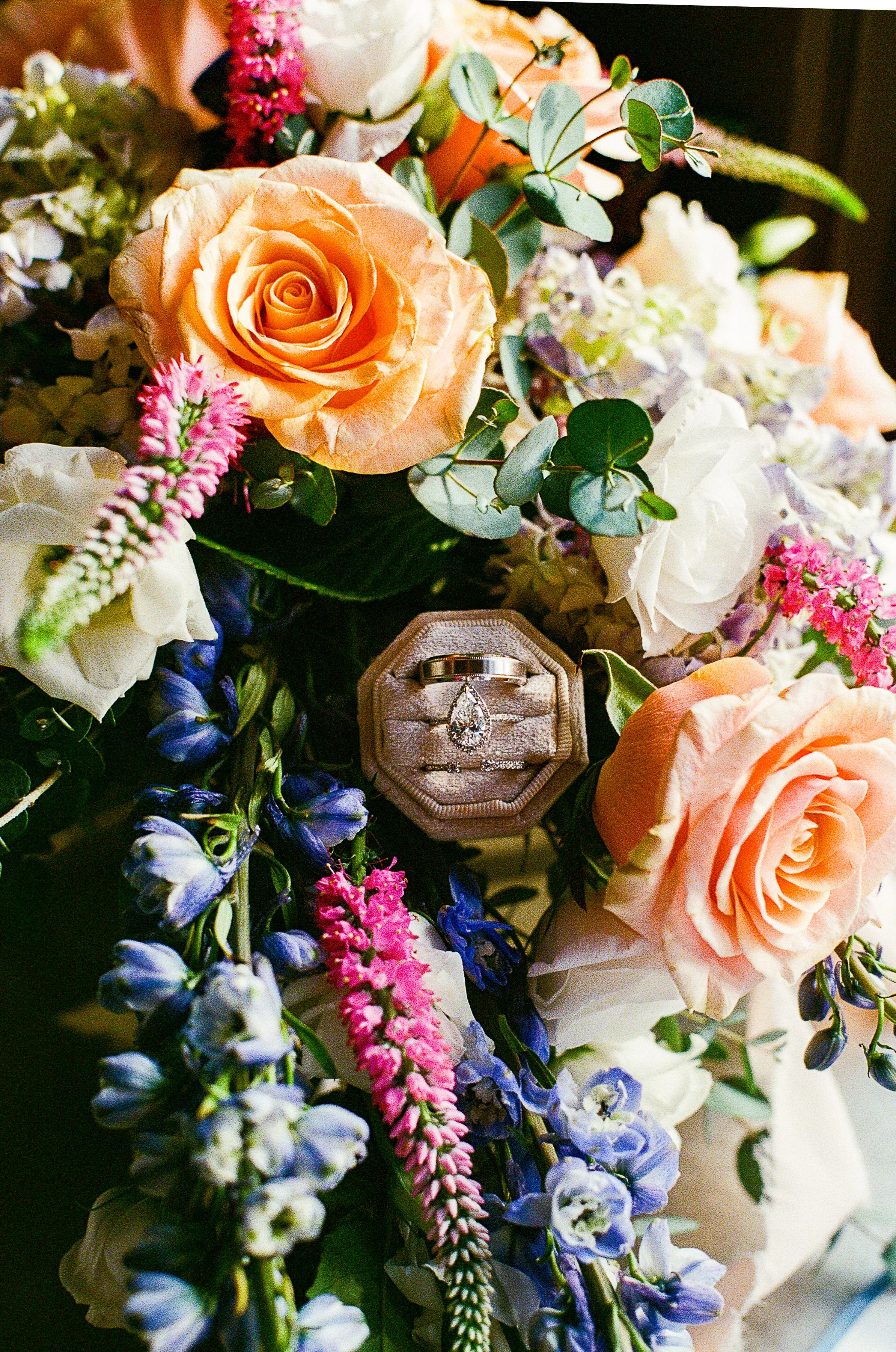
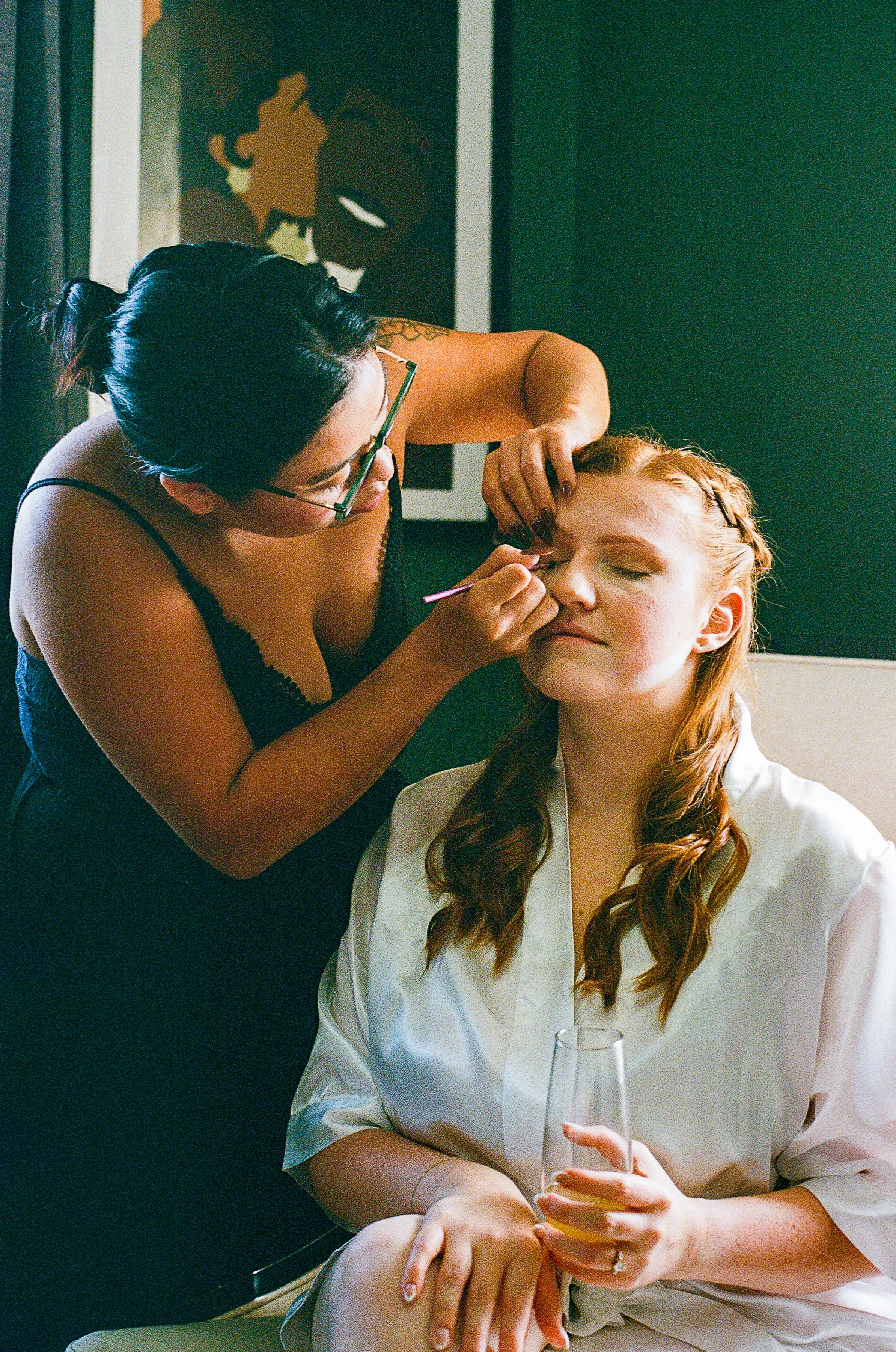
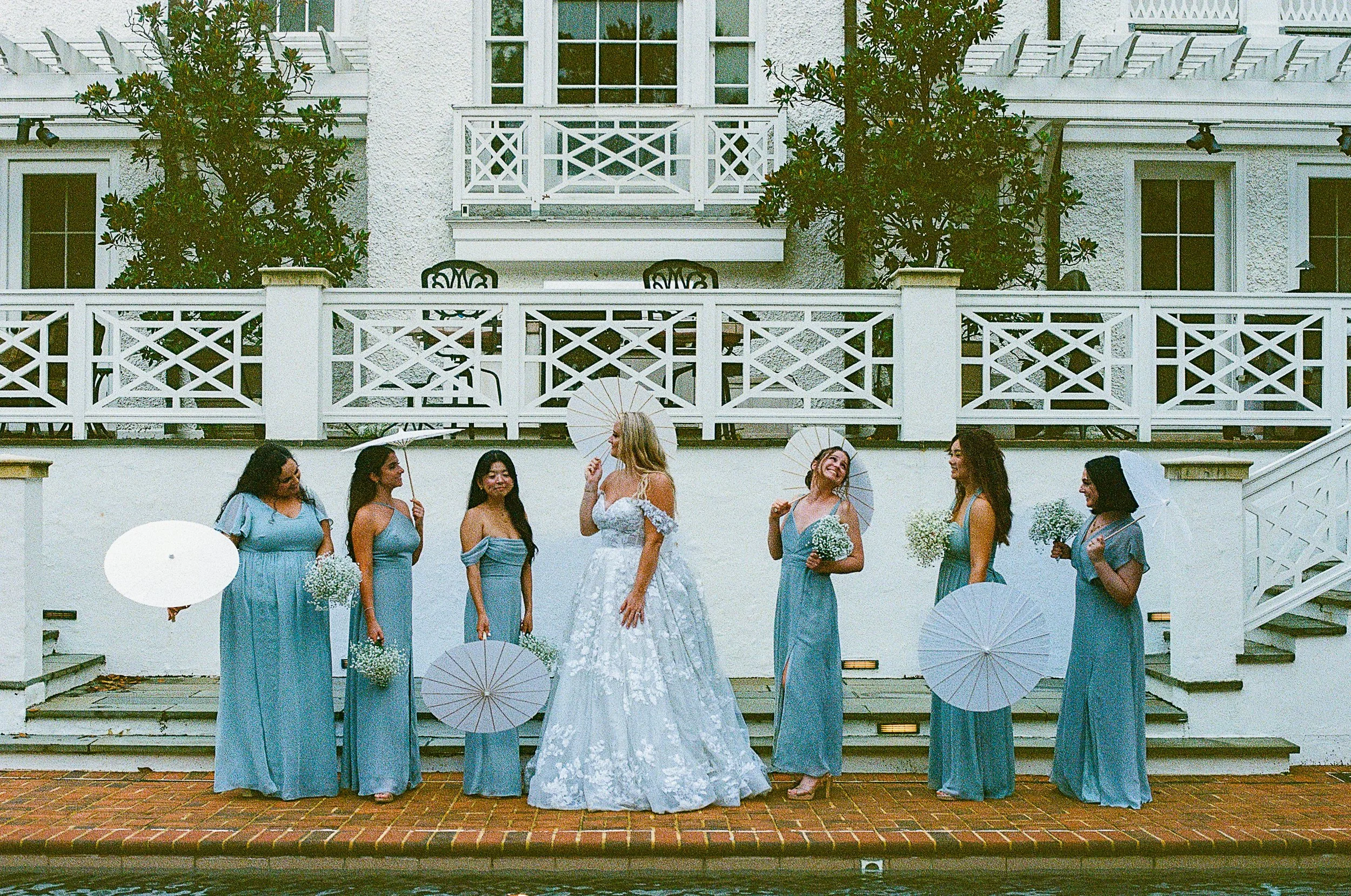
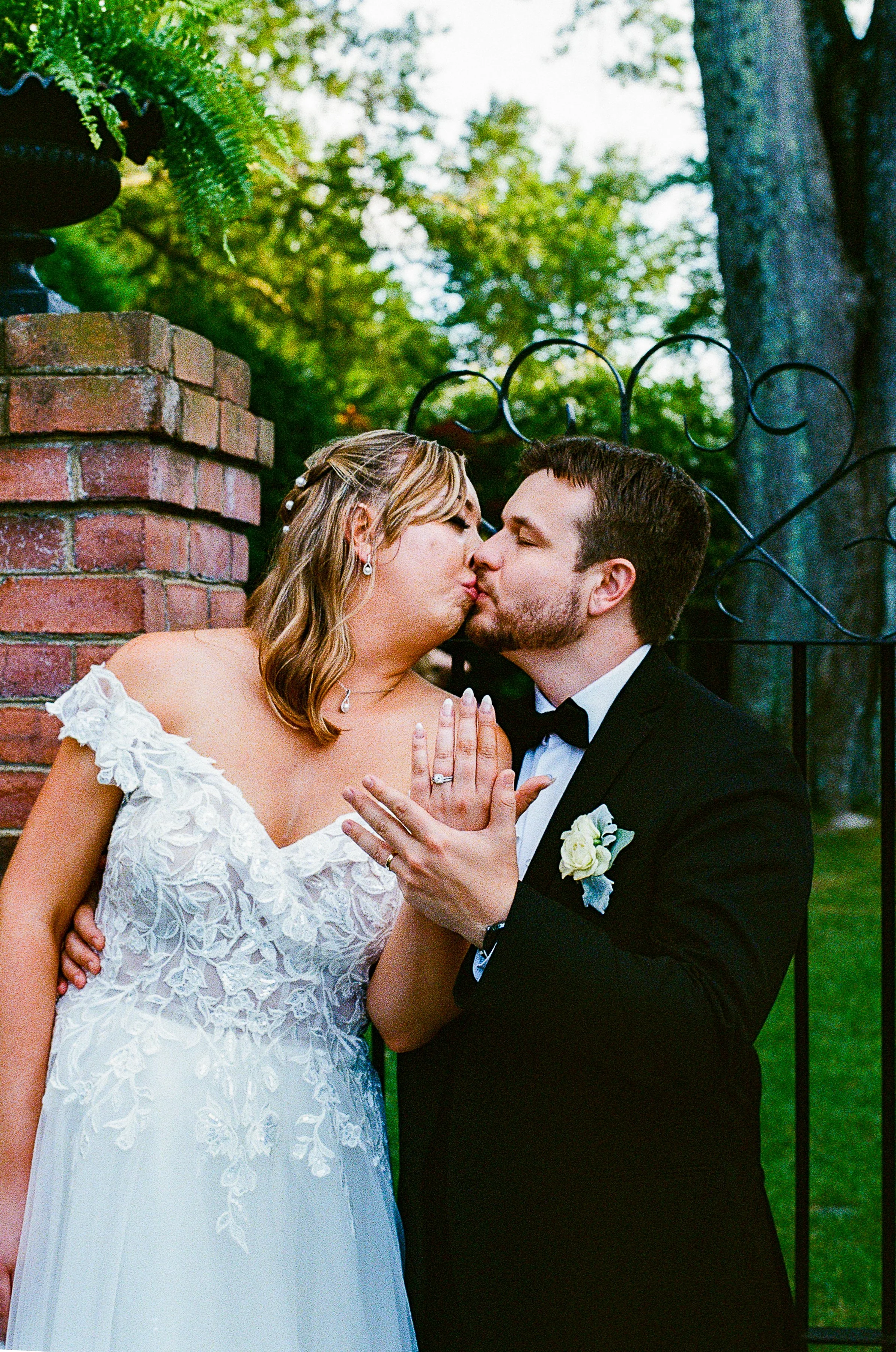
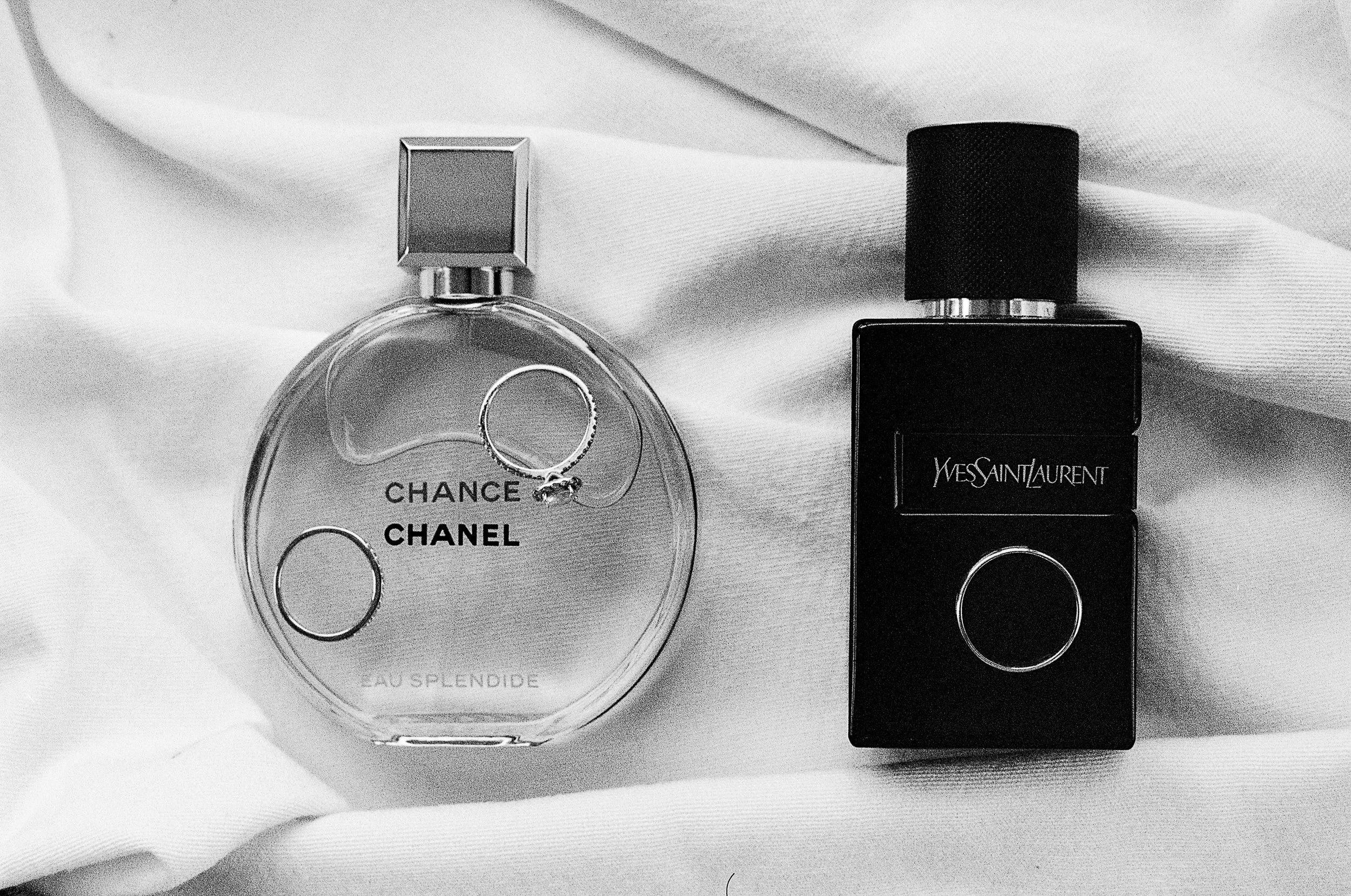
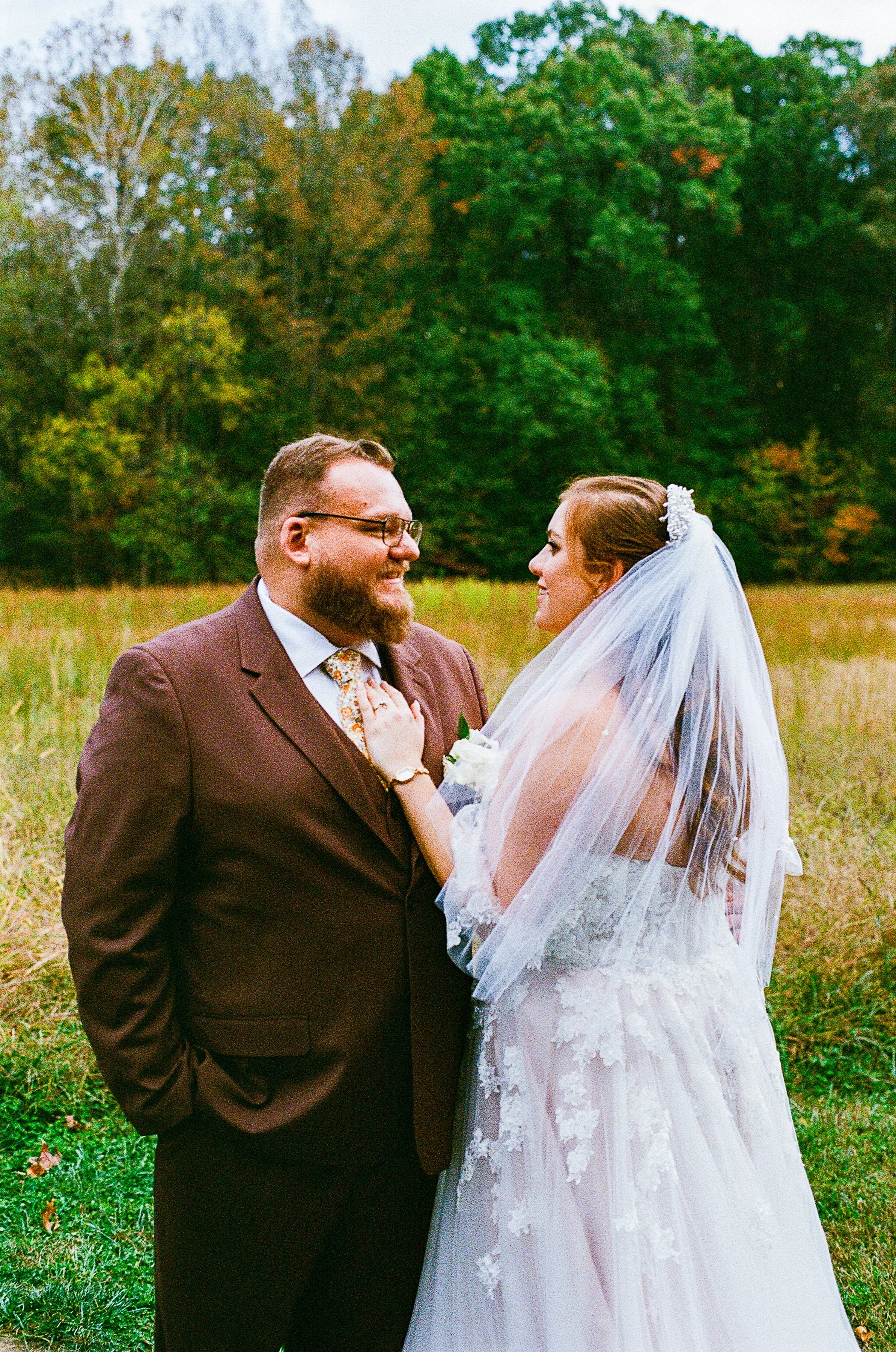
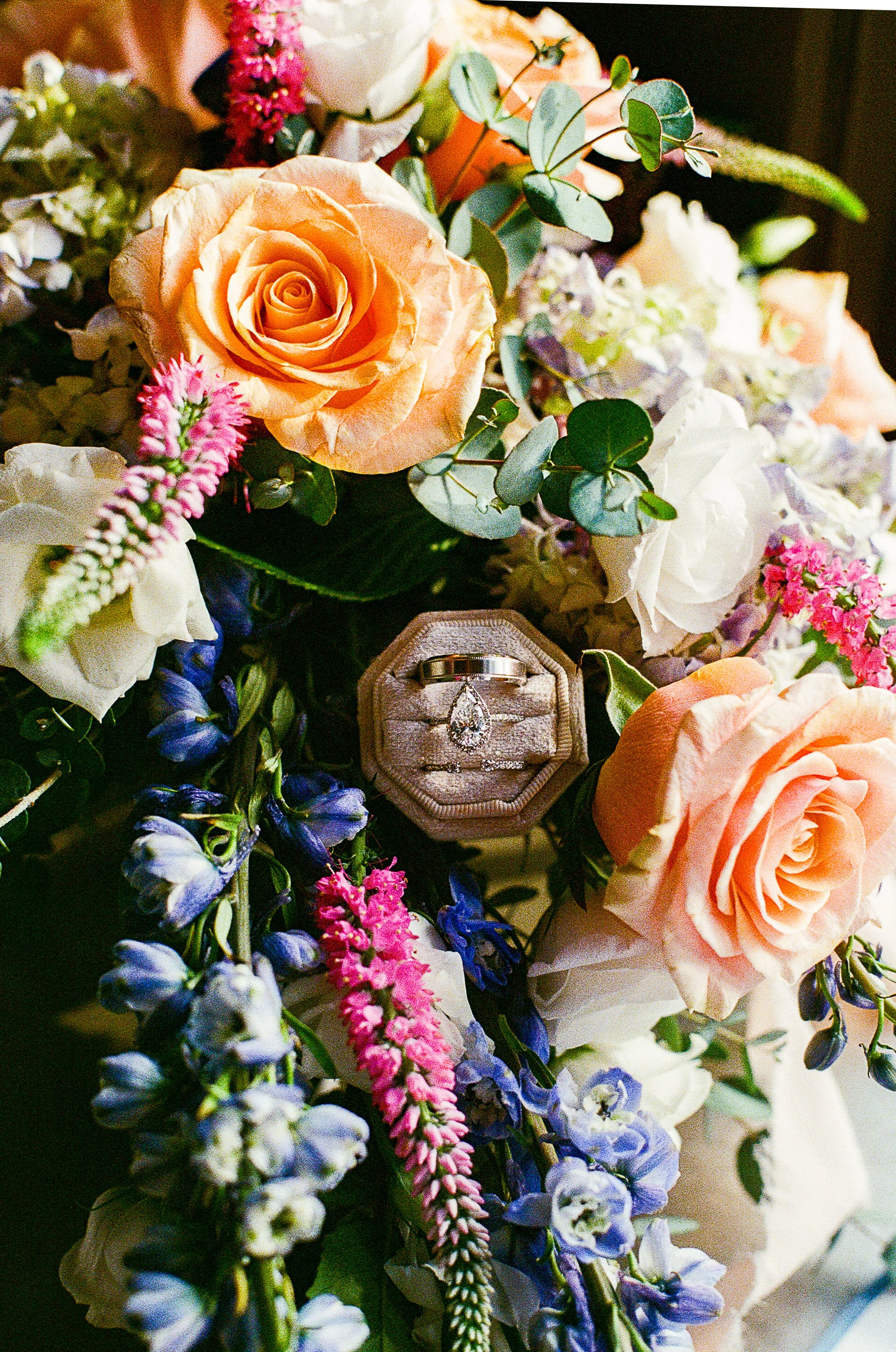
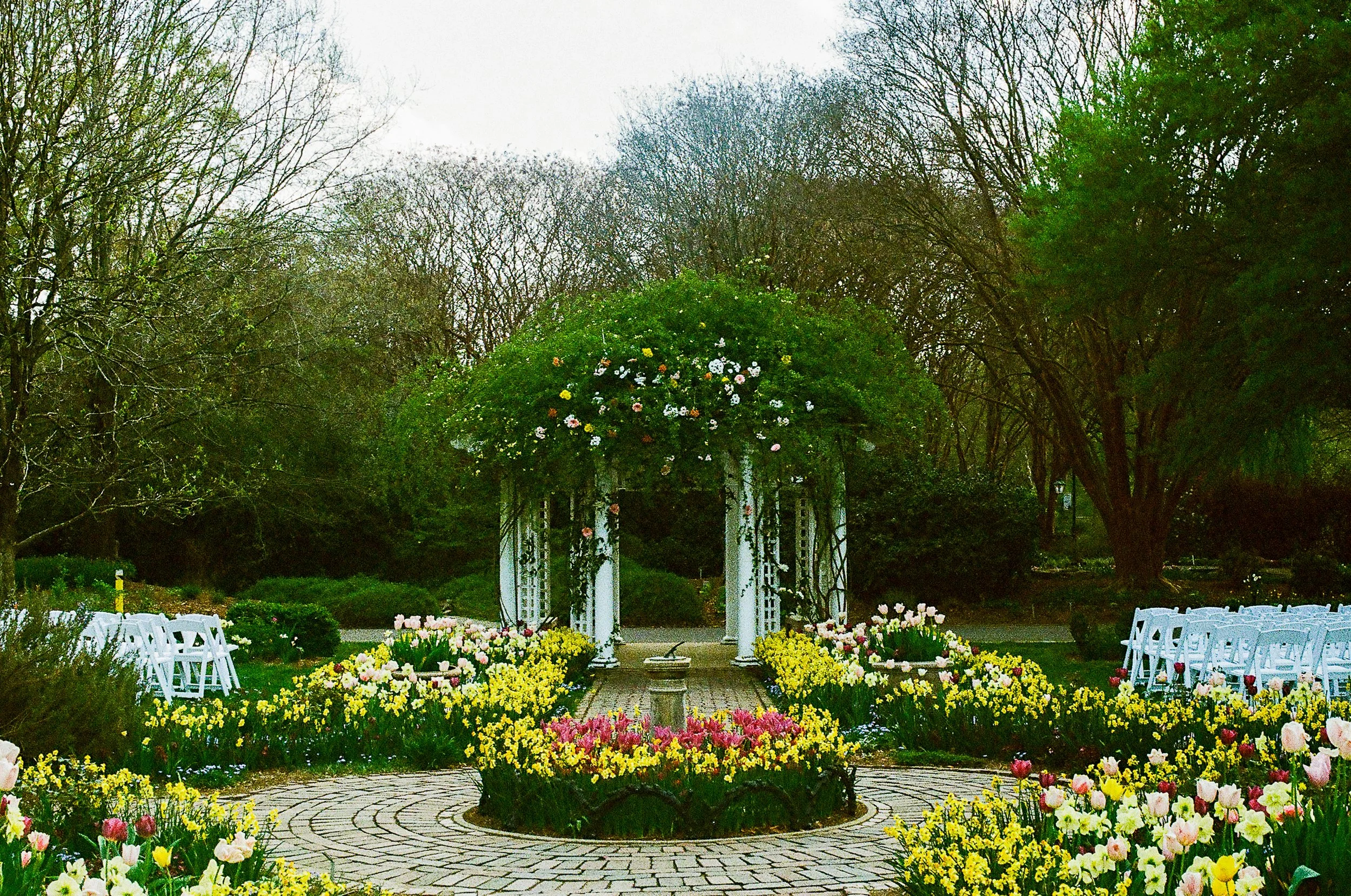
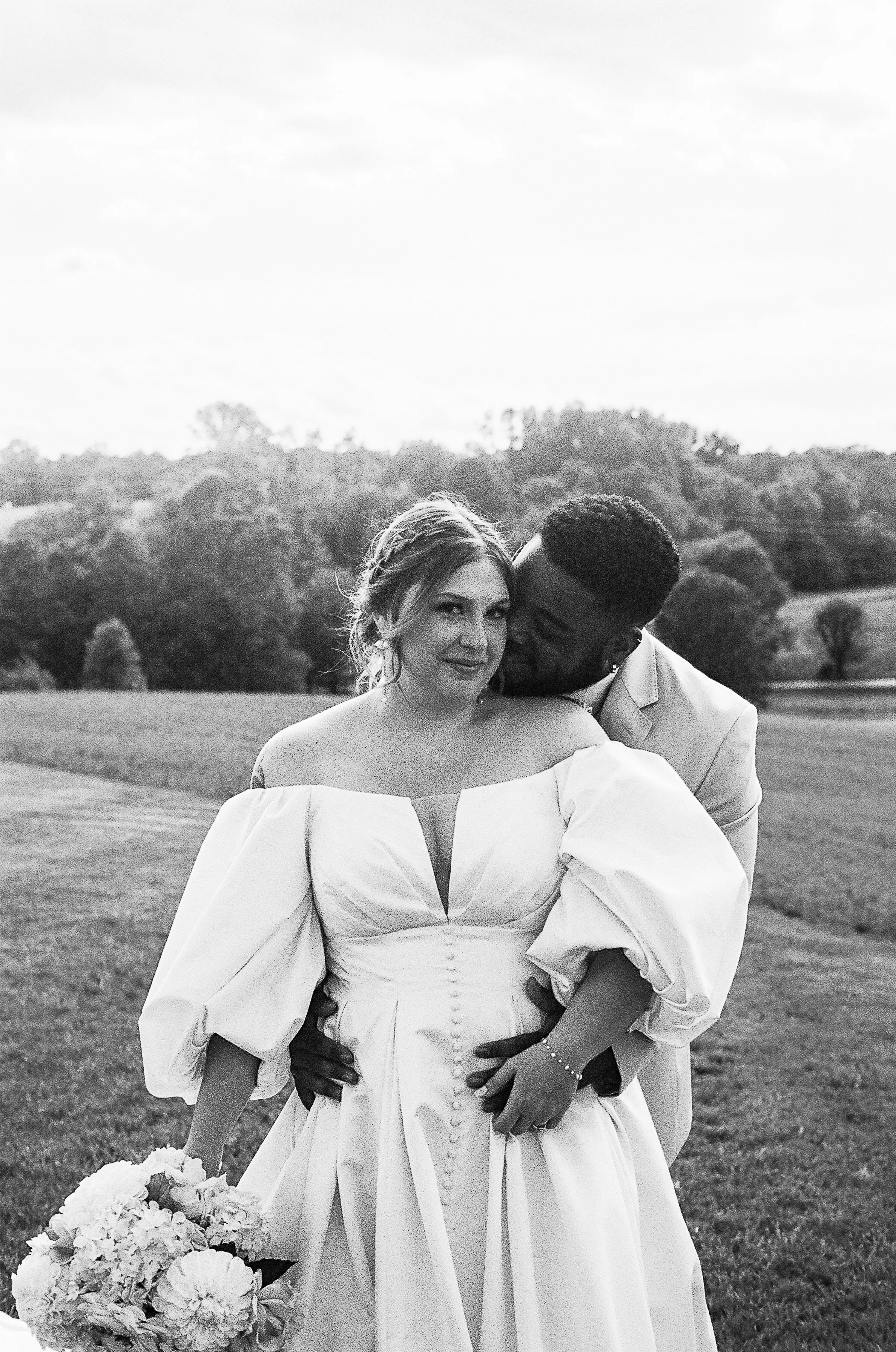
When describing what film photography is like to people who are accustomed to photos on iPhones and Samsung Galaxies, I consistently say that there is nothing like it. As much as I love how impressive technology has become, shooting photos the way it used to be will always be special. Film has a unique way of rendering light and color that digital sensors can't quite mimic in my opinion. The rich grain, soft tones, and vibrant colors are a result of the way film responds to different lighting conditions. These factors all contribute to images that feel genuine. And for a day that blows past you in a heartbeat, film captures moments you would have most-likely forgotten.
What makes film feel so different comes down to how it physically records light. Unlike digital cameras, which rely on electronic sensors made up of pixels, film is a light-sensitive material coated with microscopic silver halide crystals. When light hits the film, it reacts chemically, not electronically. That reaction is what creates grain.
Grain isn’t added later. It isn’t a filter. It’s a natural byproduct of light interacting with the film itself. Brighter light produces finer grain. Lower light produces more visible texture. Instead of smoothing imperfections away, film embraces them, which is why images feel alive rather than overly polished.
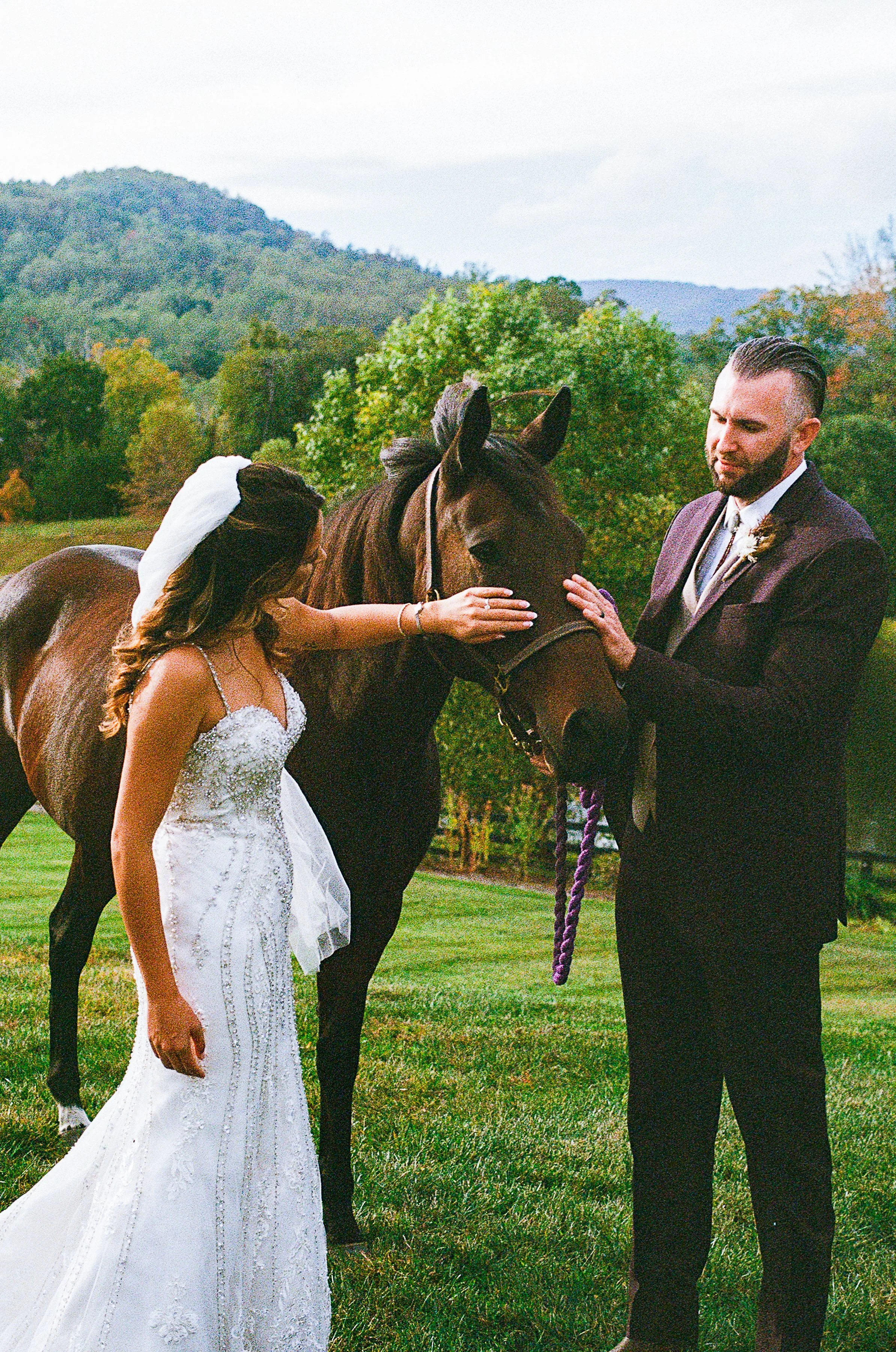
Color works differently, too. Digital sensors interpret color through algorithms and profiles, adjusting tones based on data and software. Film, on the other hand, responds to color based on the layers of emulsion built into each roll. Skin tones tend to render softer and more dimensional. Highlights roll off gently instead of clipping harshly. Shadows hold depth without feeling crushed. The result is color that feels less engineered and more observed.
This is why film pairs so beautifully with wedding days. It doesn’t rush. It doesn’t overcorrect. It records what actually happened in front of the lens, shaped by light, movement, and timing. In a world where everything is optimized instantly, film asks us to slow down just enough to notice the moment while it’s still happening.
That balance is exactly why I love bringing 35mm film alongside digital coverage. Digital allows us to document the full story efficiently. Film adds texture, patience, and a sense of permanence. Together, they create a wedding gallery that feels both complete and timeless.